Student-led
wisdom teeth committee
even your wisest teeth need a little guidance
We are a group of sixth form students who share a passion for informing young people and making change. Working as a team we have conducted research and created a comprehensive and accessible resource which we hope will help answer any questions anyone may have about their wisdom teeth.
What are wisdom teeth?
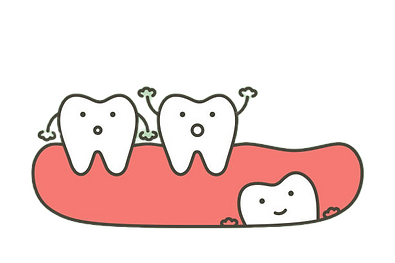
Wisdom teeth (also called third molars) are the last teeth to come through in the back of the mouth, erupting between the ages of 17-21. Most people have four wisdom teeth, two on the top and two on the bottom row. Some people are born with no wisdom teeth.
Having wisdom teeth is a different experience for every person. Some people have no problems whilst others may have lots of pain and discomfort.
How can I take care of my wisdom teeth?
When your wisdom teeth are coming through, food and bacteria can get trapped between your gum and the emerging tooth, making it more likely to become infected.
To reduce the likelihood of gums becoming infected, try to:
-
Have good oral hygiene habits – brush your teeth twice a day, flossing and using mouthwash can remove bacteria and food.
-
Avoid sugary, sticky or hard foods – these foods can become easily trapped and provide energy for the bacteria to grow.
-
Drink water – water helps to wash away trapped food and bacteria.
-
See your dentist regularly – have regular check-ups (twice a year) with your dentist allows them to spot and deal with oral hygiene issues before they become serious.

What are impacted wisdom teeth?
Wisdom teeth are the last teeth to come through, there is often not enough room for them to grow properly. This results in them growing at an angle or only partially emerging; we call this an impacted tooth.
An impacted wisdom tooth grows at an angle, putting pressure on neighbouring teeth. This may result in the formation of cysts and decay of the molar and neighbouring teeth
Infections
Infections are caused by food and bacteria being trapped in the surrounding area of wisdom teeth.
Symptoms include:
-
Pain
-
Swelling
-
Red and inflamed gums
-
Pus coming from the gum
-
Difficulty opening the mouth and swallowing
If you think you have an infection, contact your dentist, who may prescribe you antibiotics.

Experiencing pain
When your wisdom teeth are growing in you will experience some pain - this is normal.
Often wisdom teeth pain will go away by itself. To help ease the pain, try taking painkillers, eating softer foods or a saltwater rinse.
However if there is continuous or unbearable pain in your wisdom teeth, this could be a sign of an impacted tooth or an infection (see left), which are both very serious. If you have any concerns, contact your dentist.
Extracting wisdom teeth
Sometimes an impacted or infected wisdom teeth may need to be extracted.
Some people are nervous about tooth extraction and this is understandable. Please inform your dentist if you are worried about extractions so they can address your concerns and help reduce your anxiety.
Usually, this procedure is done under local anaesthetic and lasts half an hour but this may depend on your wisdom teeth.